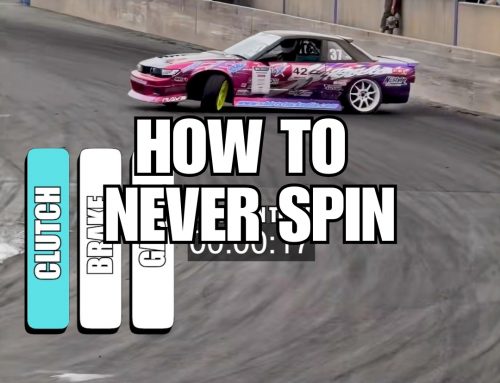
The purpose of a clutch kick is to shock the drivetrain and break the rear tires loose. The sudden surge of power to the rear wheels overcomes the tire’s grip, creating oversteer—one of the core ways to initiate a drift.
Clutch kicking is an alternative to using the handbrake or relying on pure throttle (power over) to initiate. It’s performed under momentum, not from a stop. (that is how you can break your car)
While a clutch kick can be used at any point to lose traction, here’s how it’s typically used to initiate a drift in a higher-speed corner. The rapid increase in wheel speed shocks the drivetrain, causing the rear tires to lose grip. This allows the rear of the car to rotate into oversteer and initiate the drift.
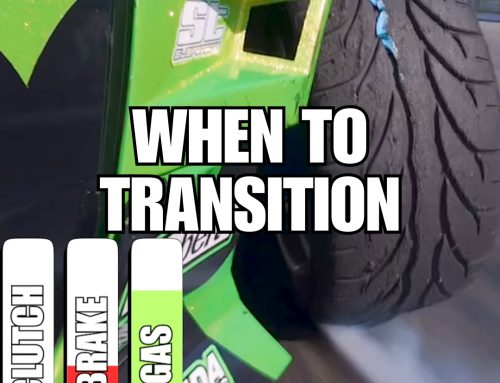
As you approach the corner, set up wide on the outside and turn in to get the weight on the outside of the corner. At the same time, depress the clutch, raise the RPM by about 3,000, then quickly release the clutch. This is the clutch kick. It causes the rear tires to break traction and forces the car into a drift in the direction you would like to go. Catch the oversteer with countersteer and maintain throttle through the corner. If you let off throttle the car will straighten, too much throttle will cause you to spin. Make sure the steering wheel is spinning as the car is rotating. (countersteer)
This technique also applies mid-drift if the car starts to regain grip. Depress the clutch, bring up the RPM, release quickly, and stay in throttle to keep the drift going through the turn.